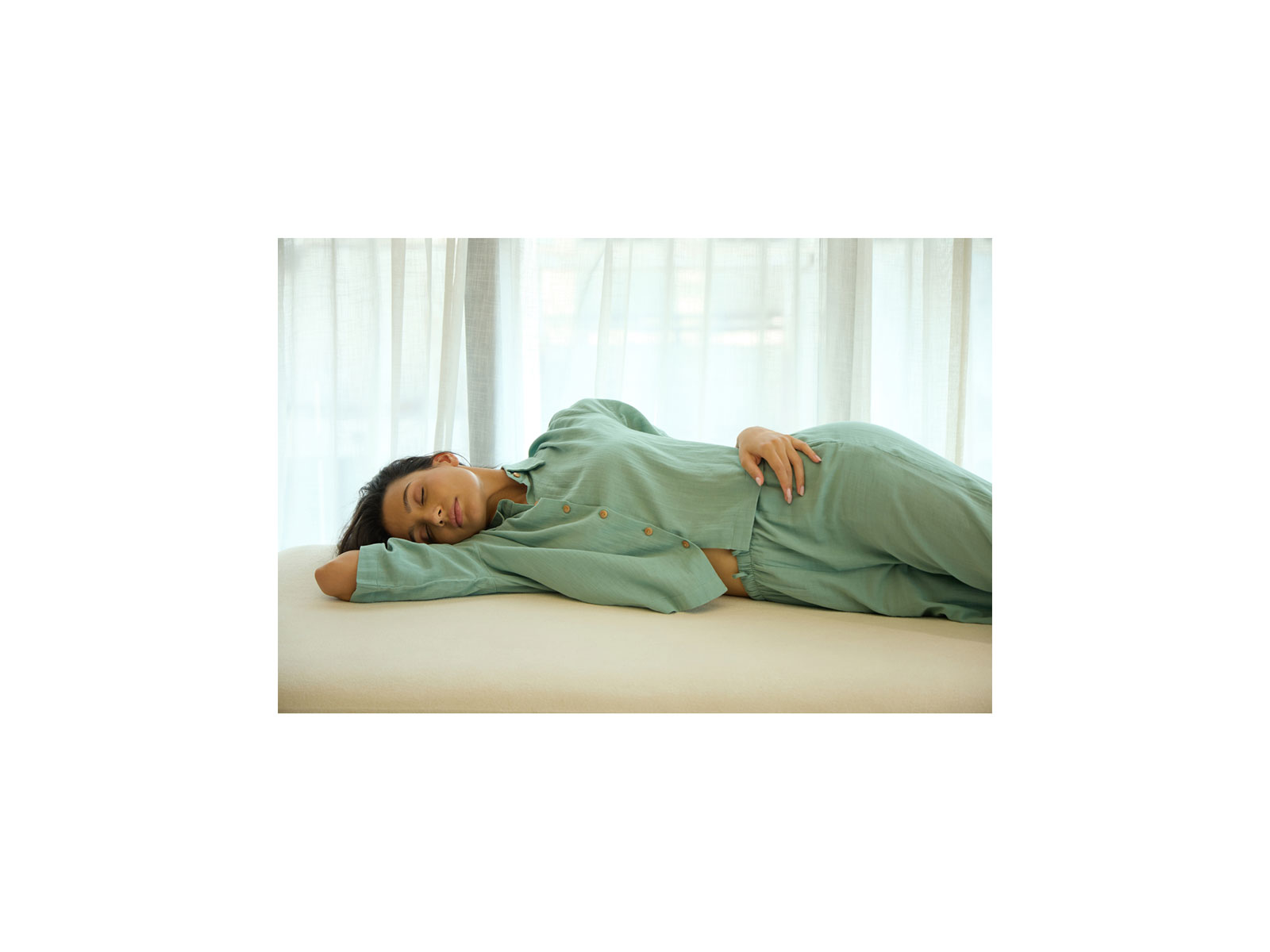
Recovery Shall Be Prioritized: Why Sleep Is the New Self-Care
Jul 15, 2026
SMPL
Mumbai (Maharashtra) [India], July 15: Self-care has spent years being packaged as something visible: skincare routines, supplements, spa days, journaling, fitness plans. But in a culture built around constant performance, the most important self-care practice may also be the quietest: sleep.
International Self-Care Day falls on 24 July, capping WHO's Self-Care Month (24 June-24 July), whose "24/7" symbolism reflects that self-care is a daily practice, not a one-time indulgence. This year invites a sharper question: what if self-care doesn't begin with doing more, but with finally allowing the body to stop?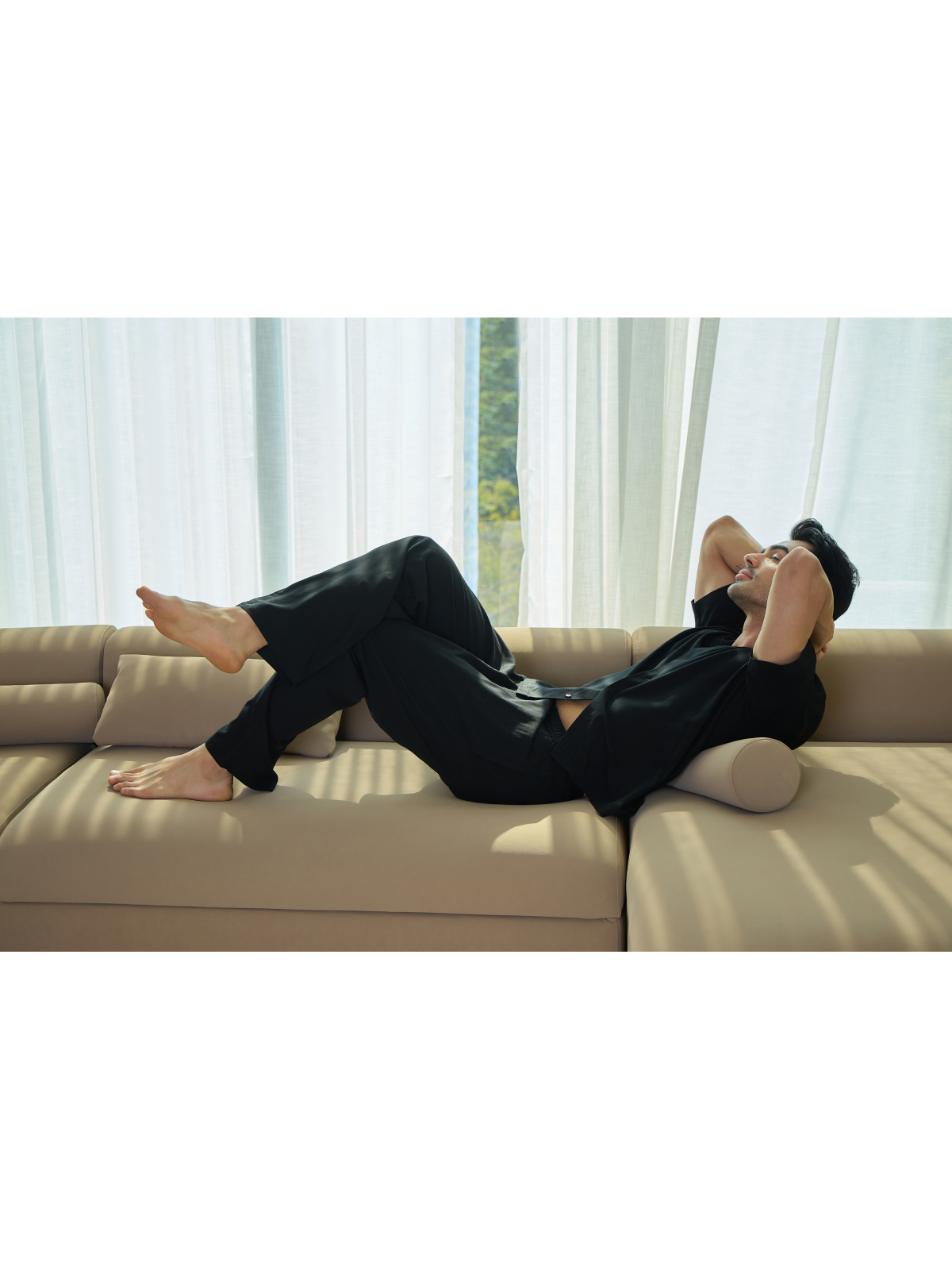
India has spent years glorifying performance -- showing up, responding, working, training, deciding, and continuing to do so. Recovery isn't optional in that lifestyle; it needs to be prioritized. The adult sleep recommendation is generally seven-plus hours a night, and regularly sleeping less has been linked to impaired performance, increased errors, and mood-related concerns. The cultural shift is clear: self-care has moved beyond looking rested toward actually recovering.
Self-care starts when the day ends
Modern self-care routines are often built around addition -- another product, app, or ritual. But for people navigating long workdays, commutes, caregiving, and screens, the more urgent need may be subtraction: less stimulation, less pressure, less performing.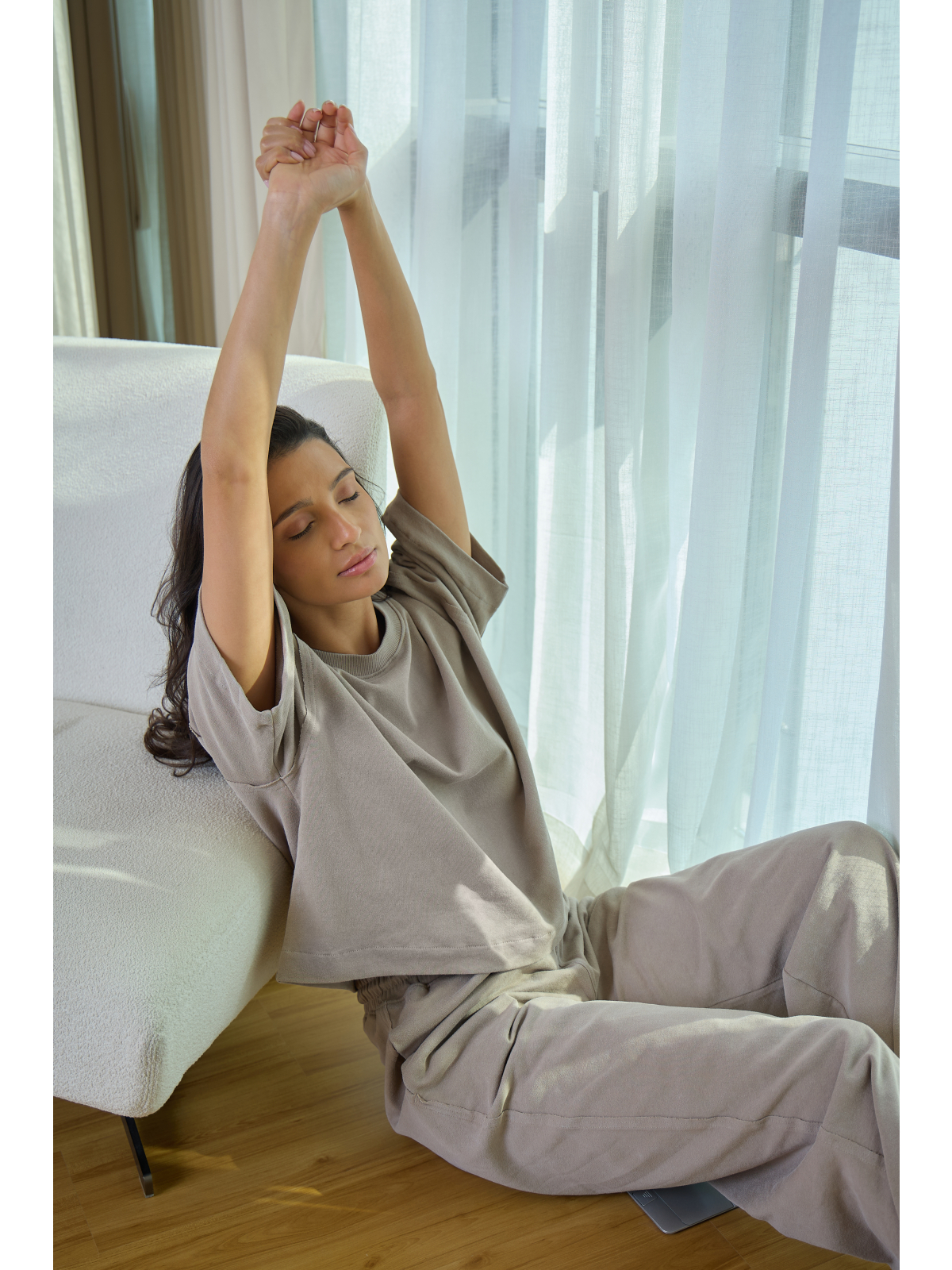
That's why an 8-hour recovery window feels relevant now. It's aspirational because it asks people to protect sleep the way they protect meetings and workouts, and practical because it gives the body a clear nightly boundary reserved for repair and restoration. Sleep isn't time lost -- it's where balance returns.
The body recovers first. The mind follows.
Sleep sits at the intersection of physical and psychological recovery. It restores energy and is closely tied to emotional regulation and stress tolerance -- research shows sleep deprivation makes people more emotionally reactive, while a related meta-analysis found sleep loss increases negative mood and reduces positive mood.
This makes sleep one of the most democratic forms of self-care -- needed regardless of profession, income, or lifestyle:
- For a doctor, it's recovery after long rounds.
- For an athlete, it's the reset after training.
- For a defence worker, it's the shift from alertness to stillness.
- For a working professional, it's the first real exhale after the day.
- For a caregiver, it's the quiet hour after everyone else has been looked after.
- For a student, it's the pause after screens and comparison.
The lives differ; the need doesn't. Everyone needs to return to themselves.
The clothes people change into matter
The evening change is more than a wardrobe decision -- it's a signal. Changing out of workwear, uniforms, or gym clothes tells the body the role has changed: the person is no longer performing, but returning to self. This is where sleepwear enters the self-care conversation -- not as a product push, but as a practical ritual object.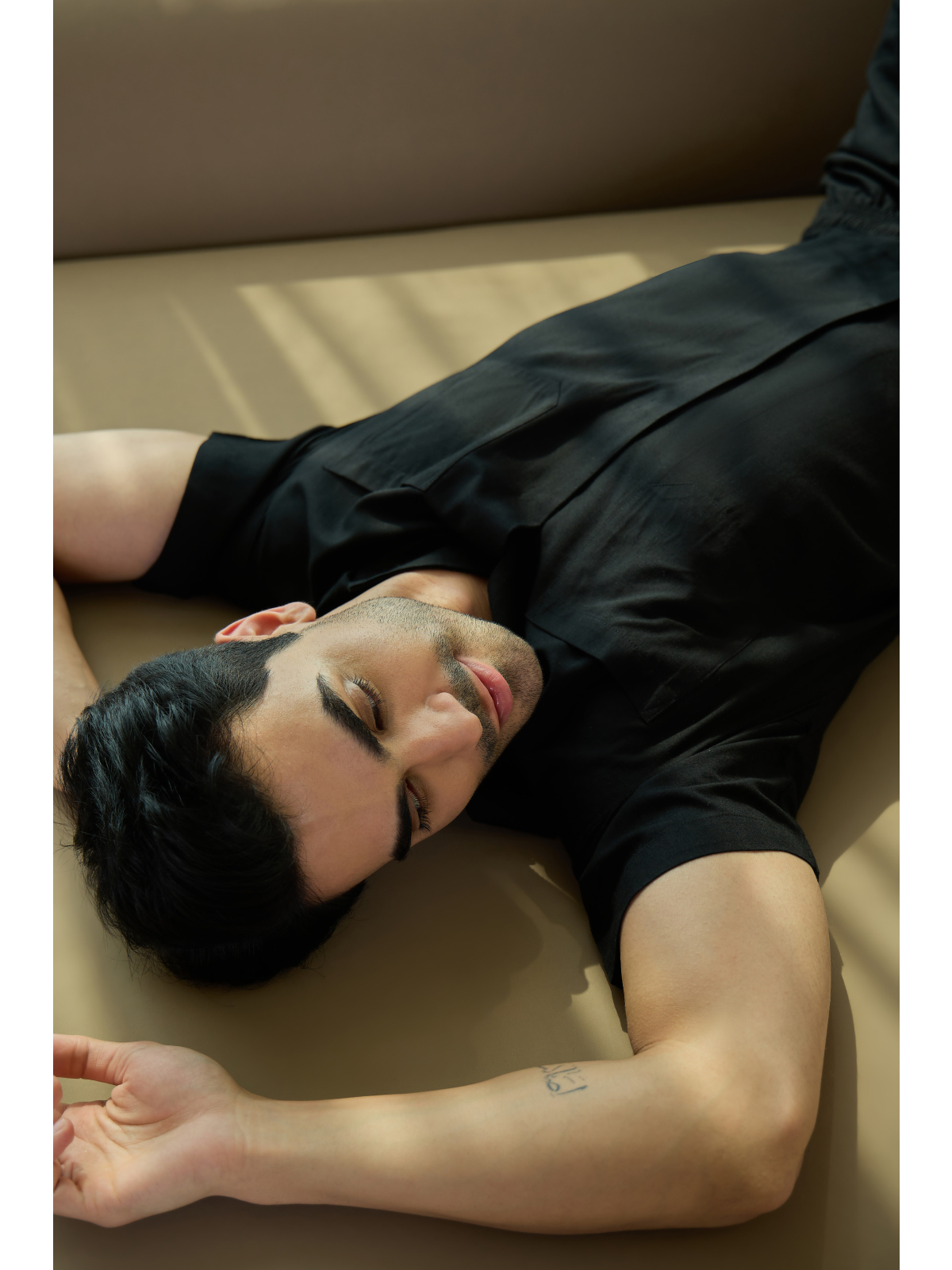
SWEET DREAMS, India's sleepwear brand, has long framed sleep as one of life's great luxuries, building its designs around strategic breathability, stay-put sleeves, easy waistbands, and construction suited to hours of unwinding. Its current collections span pyjama sets, nightdresses, co-ords, and lounge separates for women, and sleep-lounge tees, shorts, pyjamas, and capris for men -- reflecting a category shift from nightwear toward recovery wear.
Why this matters now
Even rest often gets turned into a task list. But the body doesn't recover because a routine looks aesthetic -- it recovers when the environment is safe, quiet, and consistent enough for sleep to happen. Mayo Clinic sleep guidance points to a consistent schedule, a restful environment, and limiting daytime naps as core sleep hygiene. Sleepwear is one part of that larger evening architecture.
Practical recovery rituals for International Self-Care Day
1) Protect the sleep window -- treat it as a blocked calendar event, not leftover time.
2) Change out of the day -- mark the shift from performance to recovery.
3) Build a no-performance hour -- dim lights, reduce scrolling, let the body register the day has ended.
4) Choose clothes that don't interrupt rest -- breathable fabrics, easy waistbands, relaxed silhouettes.
5) Make recovery repeatable -- the strongest rituals are the ones that need no effort to sustain.
(ADVERTORIAL DISCLAIMER: The above press release has been provided by SMPL. ANI will not be responsible in any way for the content of the same.)