Kerala's Temple of Sacred Serpent Groves Prepares for Its Grand Ayilyam Festival
Oct 21, 2026
VMPL
Palakkad (Kerala) [India], October 21: From the bowls of milk offered on Nag Panchami in Maharashtra and Rajasthan, to the serpent stones beneath village peepal trees in Bihar and Odisha, to the great Naga shrines of coastal Karnataka, Hindus across India share one ancient bond: reverence for the Nagas, the serpent deities who guard the earth, the waters and the family line.
26 October – 2 November 2026
In Kerala, that bond has a home of its own — the kavu, a sacred grove left untouched for generations, where the serpent gods are worshipped among the trees they are believed to protect.
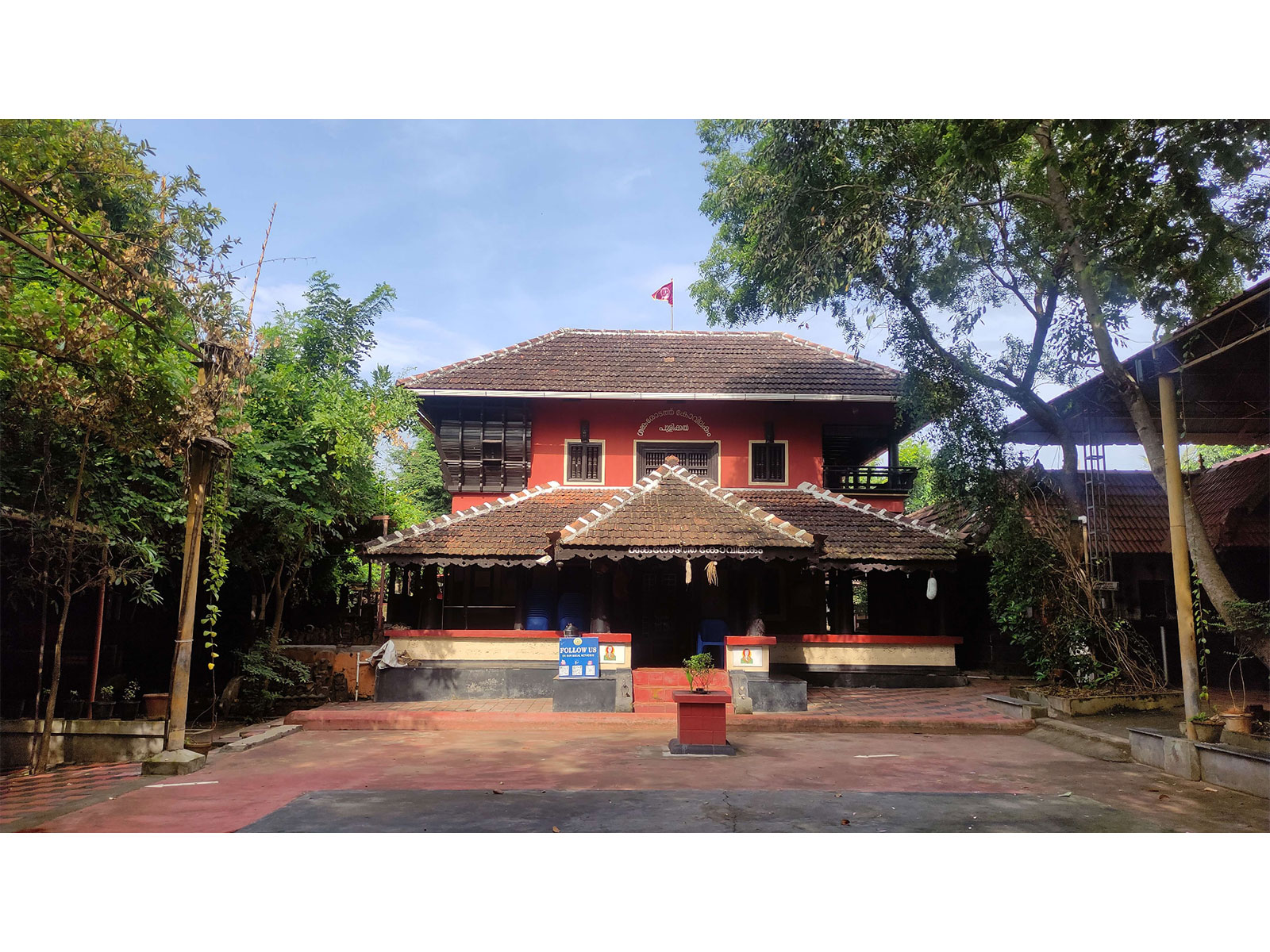
One of the most remarkable of these is the Sree Pulikkal Vishwanagayakshi Temple at Thekkumpuram, Kavilpad, in Palakkad district. From 26 October to 2 November 2026, it will celebrate its biggest festival of the year: the Shankarodath Ayilyam Valiya
Arattu Mahotsavam.
A Goddess who rose from the earth
Serpent worship has been part of life at Pulikkal for centuries. At the heart of the grove, beneath a tamarind tree, stood a serpent mound. One day, during heavy rain, the mound split open — and within it was a Swayambhu, a self-manifested form of the Goddess, carrying the divine presence of Sree Vishwanagayakshi Amma.
The temple grew around her. Today she is worshipped together with Nagaraja and Sarpayakshi Amma, surrounded by seven sacred serpent groves, each with its own rituals.
Devotees believe this land was once the ashram of Sage Kashyapa — whom the Puranas honour as the father of the Naga race. It is a story every Hindu family knows, and at Pulikkal it is felt as something living: to pray to the Nagas here is to pray to them in their father's home.
Why Ayilyam matters
Ayilyam is the Malayalam name for Ashlesha nakshatra, the birth star presided over by the serpent deities. Across India, families turn to the Nagas for the blessing of children, good health, timely marriage and peace at home, and for relief from Sarpa Dosha and Kala Sarpa Dosha. At Pulikkal, the Ayilyam of the Malayalam month of Thulam (October–November) is the most important day of the year — celebrated as the Valiya Arattu.
Eight days at a glance
- 26 October — Kodiyettam (flag hoisting): The flagstaff is installed in the auspicious Abhijit muhurat (12:02–12:28 PM), and the festival flag is raised at 6:35 PM to the sound of the traditional melam drums.
- 27–31 October — Worship of the sacred groves: Each day, rituals move from grove to grove — north, west, east, south, and finally the Moolasthanam, the original seat —with purification, abhishekam and poojas.
- 1 November — Traditional Rituals – Pooyam Pooja: Pooyam Thozhal from 2:00 PM. At 6:00 PM comes the opening of the Machakam, the sacred inner chamber, for special abhishekam.
- 2 November — Valiya Arattu, the main day: The deity's procession for the Arattu setsout at 10:30 AM. Annadhanam is served to all devotees at 11:30 AM. At 7:00 PM comes the once-a-year Muzhukappu deeparadhana for Vishwanagayakshi Amma, and at 9:30PM the festival reaches its peak with the Maha Kala Sarpa Pooja, accompanied by Panchavadyam and Pulluvan Pattu — the ancient folk songs sung for the serpent gods. The festival closes with the lowering of the flag.
The evenings come alive with Kerala's temple arts — Chakyarkoothu, Thiruvathirakali, bhajans and Sopana Sangeetham, the devotional music of Kerala temples — along with the Shankarodath Awards on 27 October, honouring musician Prakash Ulliyeri and Vedic scholar Vadakkedath Neelakandan Namboothiri.
The guardian of Pulikkal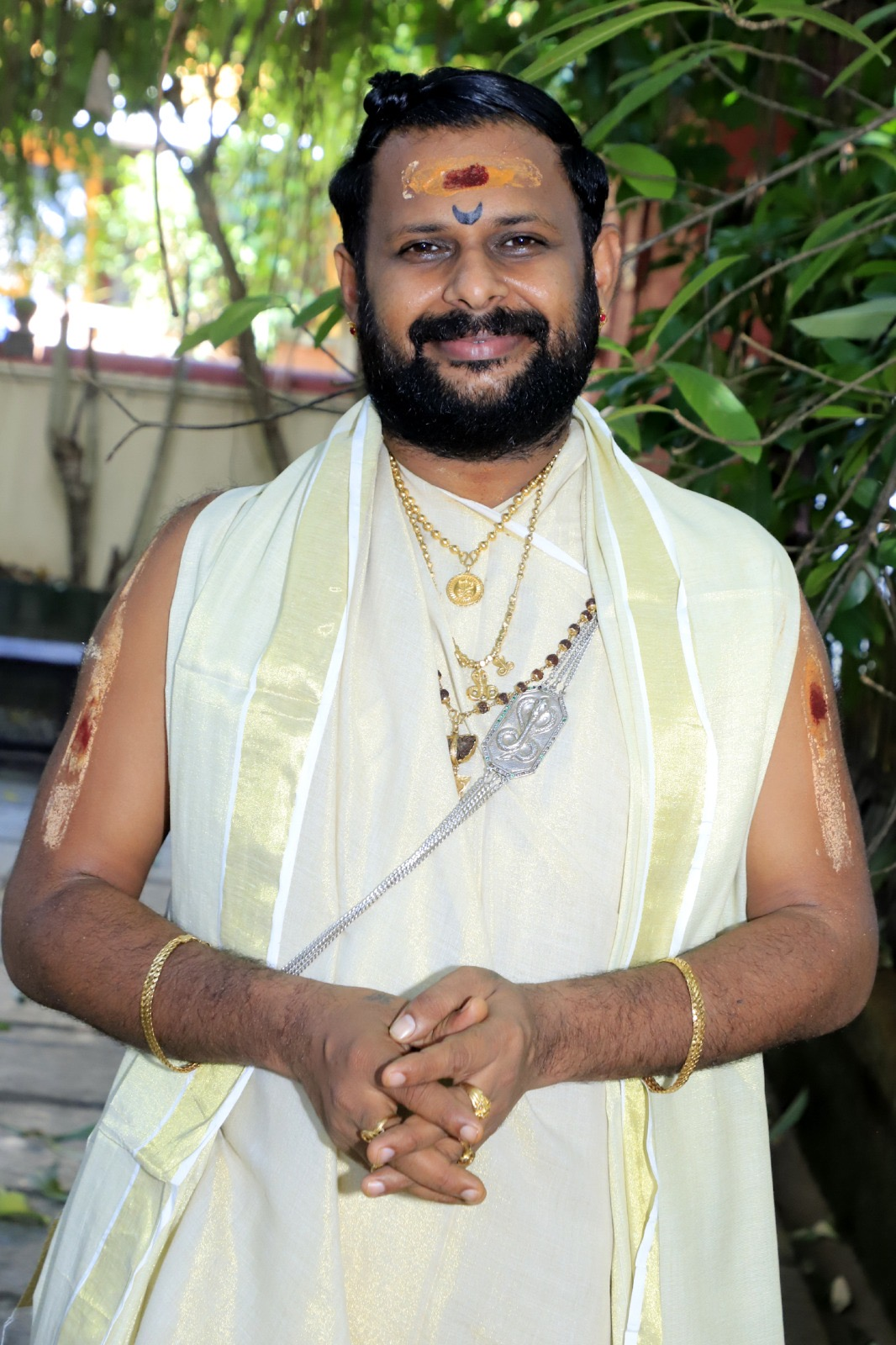
The festival is held under the supervision of the Kshetra Tantri, Brahmasree Shankarodath Ambotti Thampuran of the Pulikkal Shankarodath Kovilakam, assisted by Melshanthi Shree Kshamathananda Sharman (Ayyappan Thirumeni) and Keezhshanthi Shree Shailendra Sharman.
As custodian of the temple and its seven groves, Ambotti Thampuran carries a responsibility passed down through his family, along with its rituals and mantras. Through the Shankarodath Kovilakam Trust, he has taken up a larger mission — to protect Kerala's ancient serpent groves and restore neglected kavus to their original sanctity. In an age when green spaces are disappearing, Pulikkal is a reminder that Hindu tradition has always held nature itself to be sacred.
Be a part of it, from anywhere in India
Devotees who cannot travel can still take part. Poojas such as the Ayilyam Pooja, Noorum Paalum (the traditional offering of rice flour and milk to the serpent gods) and the Kala Sarpa Pooja can be offered in your name or your family's by contacting the temple office.The prasadam will be sent to devotees by courier, wherever they are.
After the festival, the temple reopens on 9 November, and regular daily poojas resume on 10 November 2026.
Contact
Sree Pulikkal Vishwanagayakshi Temple Pulikkal Shankarodath Kovilakam, Thekkumpuram, Kavilpad, Olavakkode, Palakkad – 678012, Kerala
+91 99463 73522 (Call / WhatsApp) · 0491 2552910 , [email protected] http://www.nagayakshi.org , facebook.com/pulikkalvishwanagayakshi
Darshan: 5:30 – 10:30 AM and 5:30 – 7:30 PM
All devotees are warmly welcome.
(ADVERTORIAL DISCLAIMER: The above press release has been provided by VMPL. ANI will not be responsible in any way for the content of the same.)