India Habitat Centre Hosts ‘Samlāpa: The Discourse’ on Poshan for Nation: Nutrition-Supportive Cultural Practices
Nov 16, 2026
VMPL
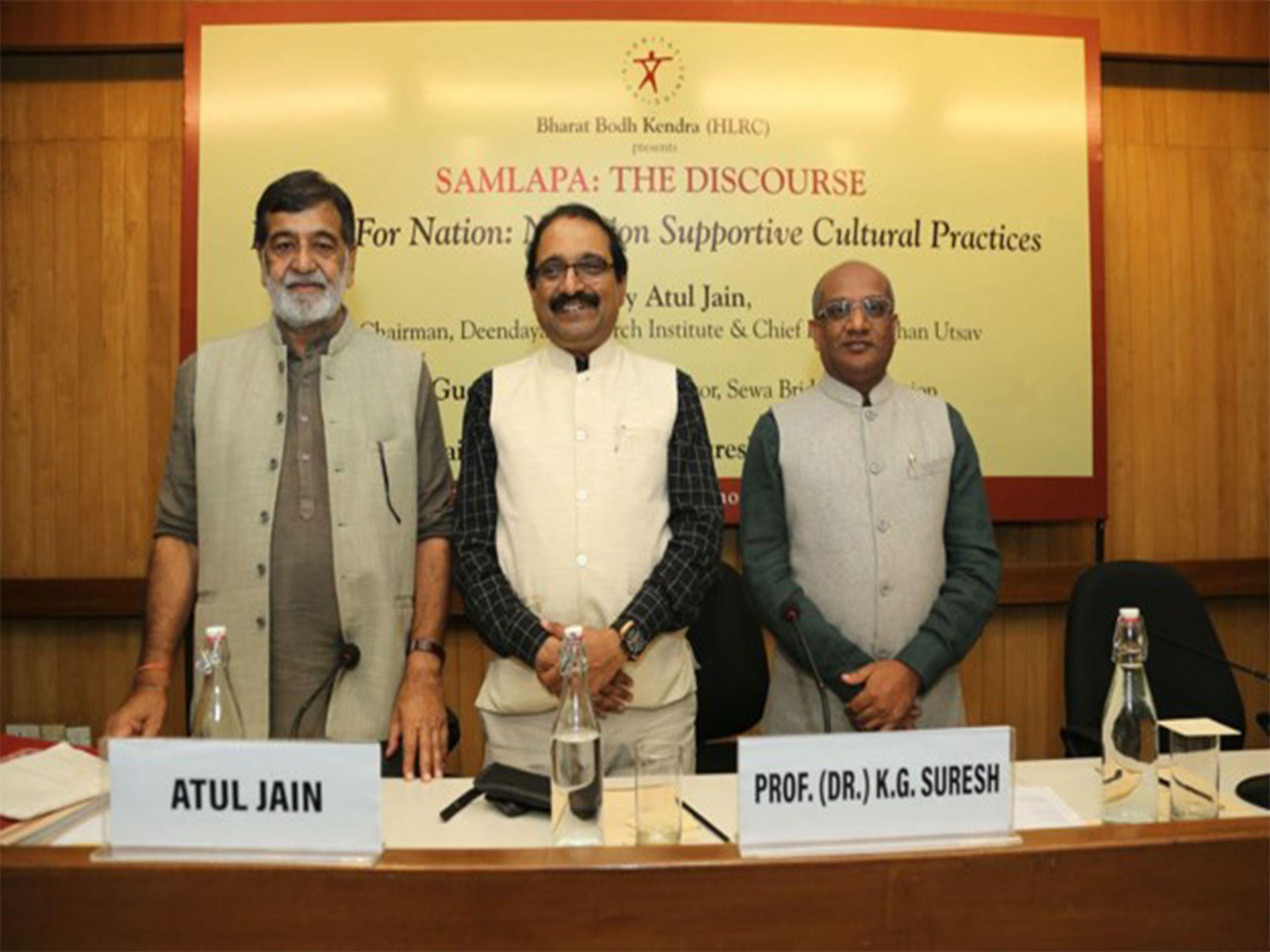
New Delhi [India], November 16: The India Habitat Centre, through its Bharat Bodh Kendra, Habitat Library and Research Centre, hosted an insightful session of Samlāpa: The Discourse on the theme “Poshan for Nation: Nutrition-Supportive Cultural Practices” on Friday evening at Gulmohar Hall.
The discourse explored the rich connection between India's traditional food wisdom, cultural practices and contemporary nutritional challenges. It highlighted the relevance of indigenous food traditions, seasonal eating habits, local food diversity and community celebrations in promoting nutritional awareness and healthier lifestyles.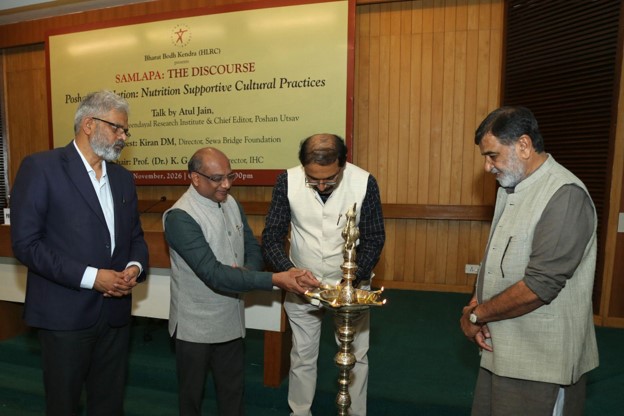
The session was chaired by Prof. (Dr.) K. G. Suresh, Director, India Habitat Centre. Speaking at the event, the Director highlighted BBK’s initiatives, including the Utsav Series at IHC, which celebrates all aspects of life through food, culture and shared experiences. He emphasised the importance of staying culturally rooted in our food traditions and recognising the role of traditional food practices in promoting nutrition, well-being and a healthier society.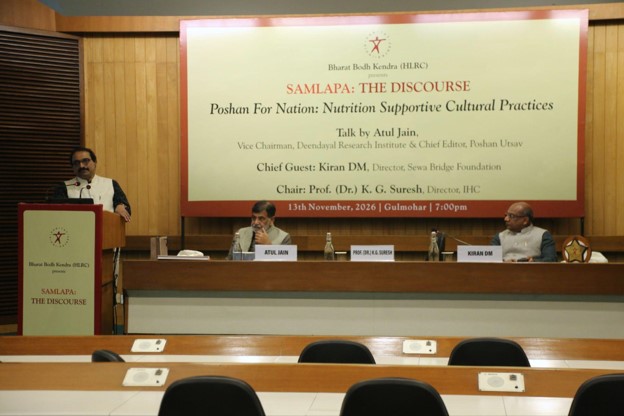
The keynote address was delivered by Shri Atul Jain, Vice Chairman, Deendayal Research Institute and Chief Editor, Poshan Utsav. Drawing upon India's traditional knowledge systems and cultural heritage, the lecture focused on how food, festivals and age-old community practices can contribute to nutritional well-being. It also brought attention to the importance of reconnecting contemporary society with traditional dietary wisdom and encouraging locally available, diverse and nutritious foods. The speaker highlighted the concept of “AI – Ancestral Intelligence,” emphasising the immense food and nutritional wisdom passed down by our ancestors. Drawing on four years of research across 26 states, he shared how traditional food practices, folk songs, scriptures and cultural celebrations reflect a deep understanding of nutrition and community well-being. Citing the example of farmers in Rajasthan singing while sowing seeds, he explained how their prayers expressed the wish for an abundant harvest—not just for themselves, but enough to feed everyone, including the needy. He also highlighted the nutritional value of traditional foods such as lotus stem (kamal kakdi) and colostrum, which is traditionally valued for its immunity-supporting properties and known by different names across India's 26 states.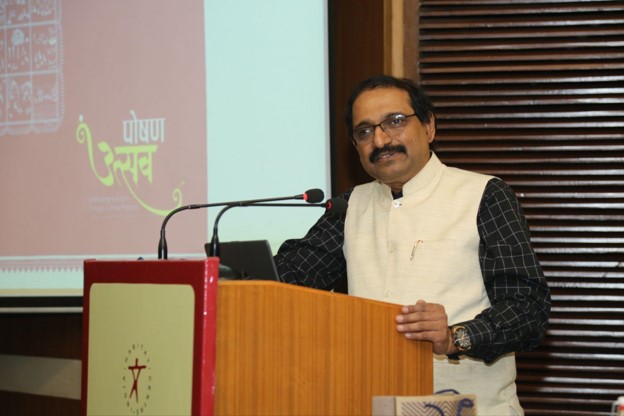
He further illustrated how festivals and customs were rooted in the understanding of seasonal nutrition and collective responsibility. In Rajasthan, for instance, the symbolic marriage of the Peepal tree and Lord Krishna during summer becomes an occasion for communities to come together, prepare and share cooling foods, and contribute gifts that are later used to support the marriages of underprivileged girls in neighbouring villages. These traditions, he noted, demonstrate how ancestral intelligence seamlessly integrated nutrition, sustainability, celebration and social welfare, ensuring that food was grown and shared in abundance so that everyone could benefit.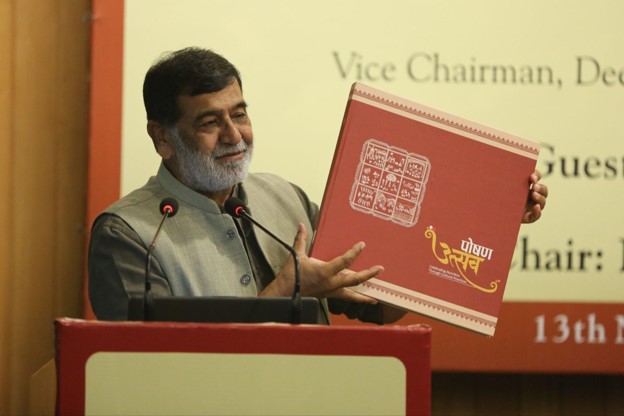
Shri Kiran DM, Director, Sewa Bridge Foundation and Chief Guest, shared his perspectives The Chief Guest emphasised the need to revisit traditional food practices and bring back the dietary wisdom of our ancestors, noting that many nutritional challenges can be addressed by returning to wholesome, traditional foods. Citing the example of urad dal, commonly used in prasad across South India, he highlighted how ancestral food habits were naturally rich in nutritional value, whereas changing dietary patterns today often lead us to depend on supplements to meet our nutritional needs.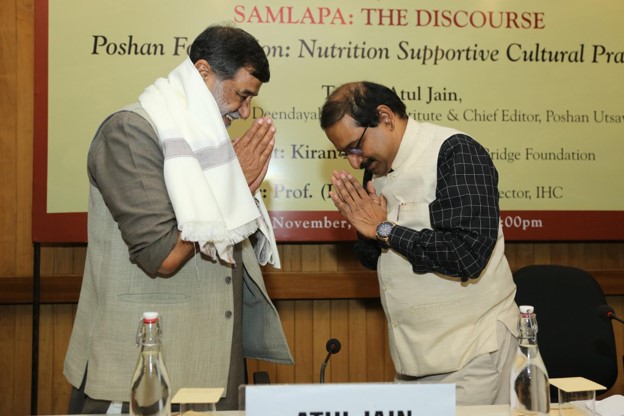
The programme concluded with an interactive question-and-answer session, allowing the audience to engage with the speakers and reflect on the role of nutrition-supportive cultural practices in building a healthier nation.
(ADVERTORIAL DISCLAIMER: The above press release has been provided by VMPL. ANI will not be responsible in any way for the content of the same.)