How did the parties react after Trump postponed sanctions against Russia?
Oct 18, 2026
US, October 18: Responding to the US decision, Ukrainian President Volodymyr Zelensky on October 17 called it a "mistake." Reuters quoted the Ukrainian leader as saying that lifting sanctions would only give Moscow more impetus to intensify its military campaign.
Zelensky also expressed concern that the US might continue to ease economic sanctions in the future, especially in the absence of strong support from the late Senator Lindsey Graham, who laid the groundwork for legislation to exert economic pressure on Moscow.
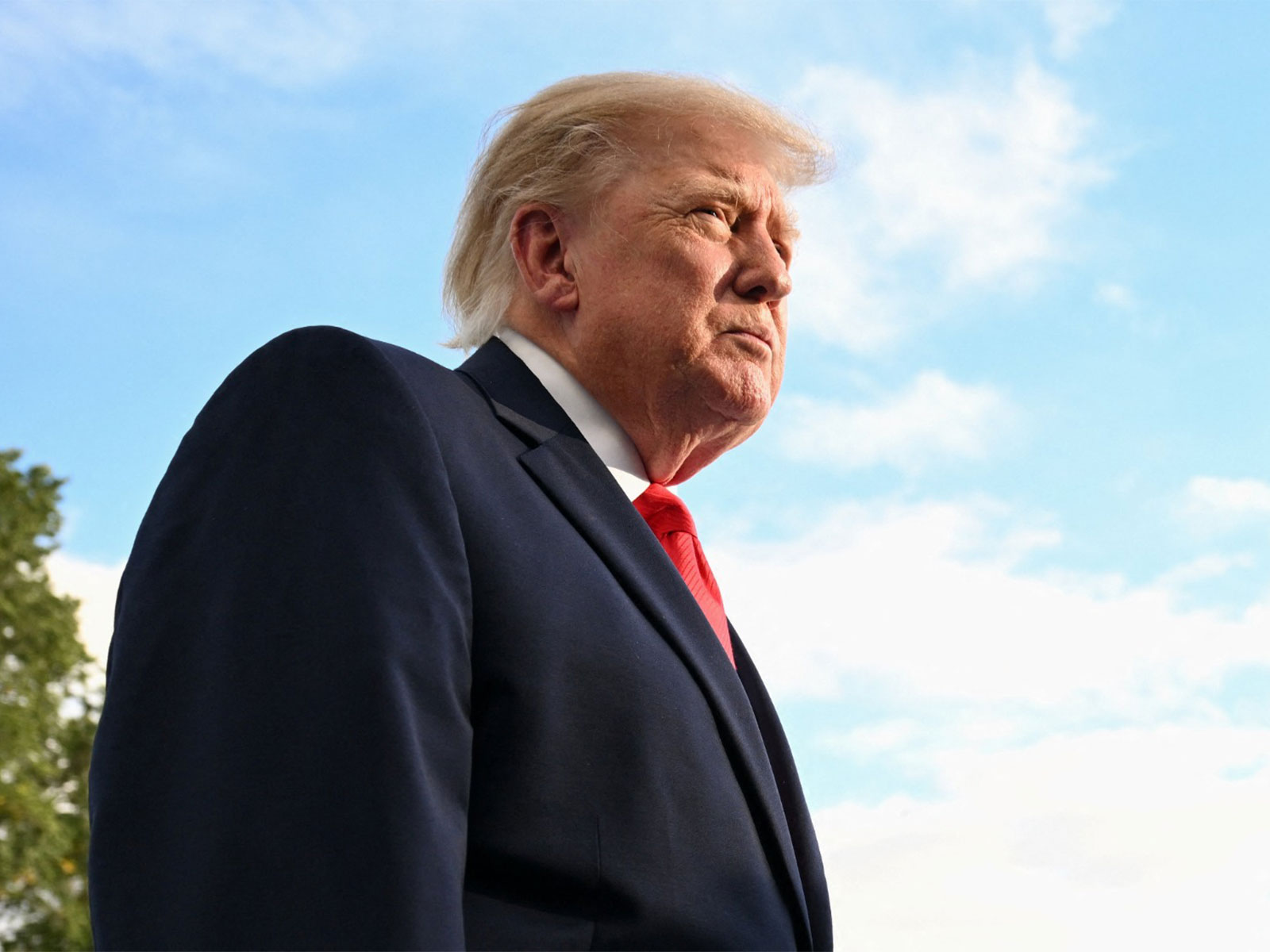
On October 16, US President Donald Trump signed an executive order suspending sanctions and tariffs against Russia. These measures were part of the Graham Act, which Trump signed into law in September and was scheduled to take effect next week.
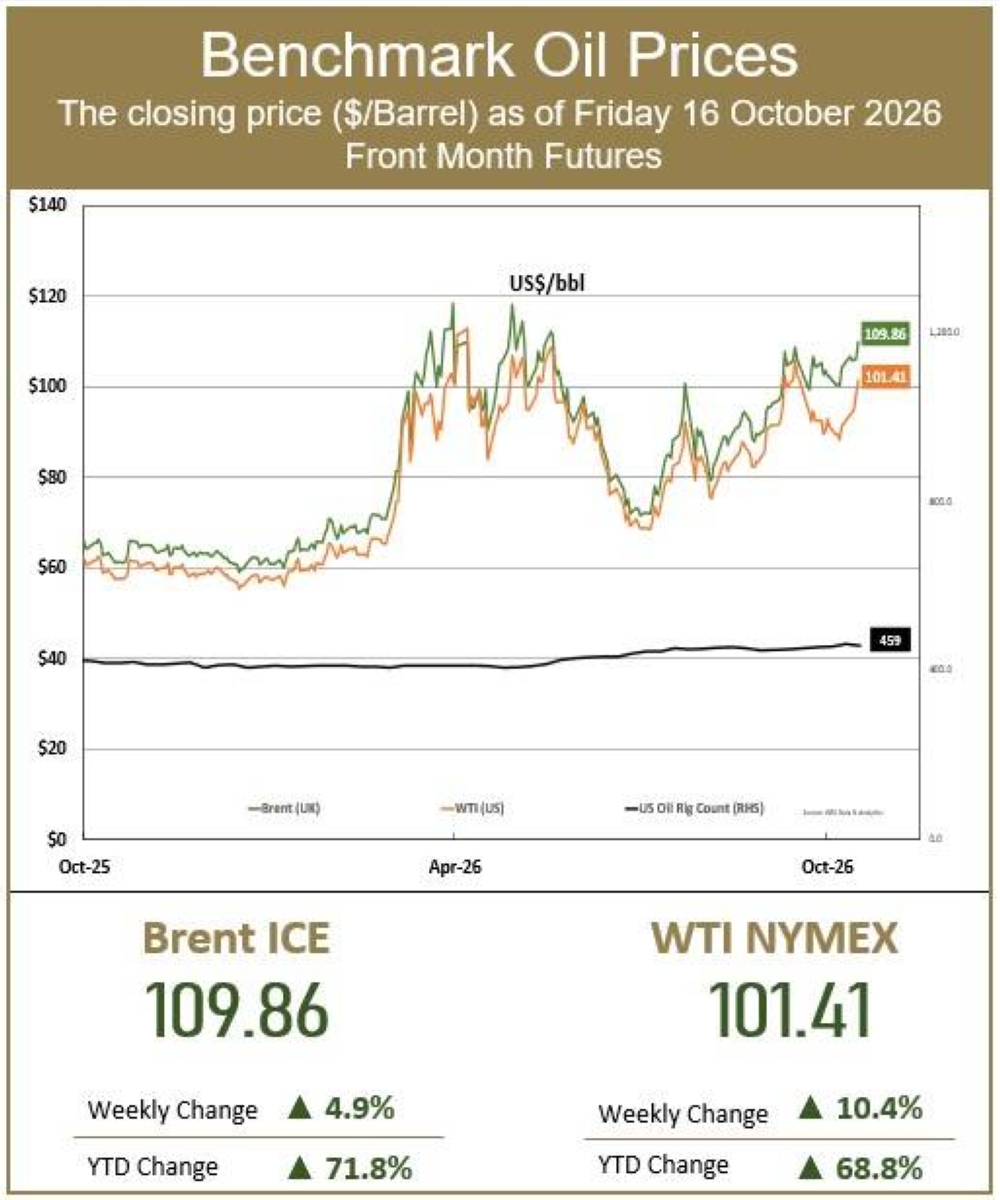
Explaining the decision, Trump said that easing sanctions was in the national interest of the United States. This move comes as the Washington administration is trying to curb rising gasoline prices ahead of the midterm elections on November 3rd.
Russian officials have praised Trump's executive order. Russia's special envoy for investment, Kirill Dmitriev, called it a "historic moment." He argued that if the sanctions were to take effect, they could bring all economic cooperation between Russia and the United States to a complete standstill.
Trump's executive order has faced bipartisan opposition in the U.S. Congress. Republican Senator Rick Scott emphasized that the U.S. needs to do everything possible to maintain economic pressure on Russia. Republican Senator Thom Tillis echoed this sentiment, calling the decision to suspend the Graham Act (which had been passed by the Senate with an overwhelming 86-11 vote) incomprehensible.
Senate Democratic leader Chuck Schumer and fellow Senator Elizabeth Warren have strongly opposed the move to ease economic restrictions on Moscow and called on Congress to take action.
Despite strong opposition, observers believe the US Congress is unlikely to intervene immediately. According to the Associated Press, both the Senate and the House of Representatives are on recess until after the election, making it highly improbable to overturn Trump's executive order in the short term.
Source: Thanh Nien Newspaper